Guinea-Bissau military takeover after disputed election sparks ECOWAS action
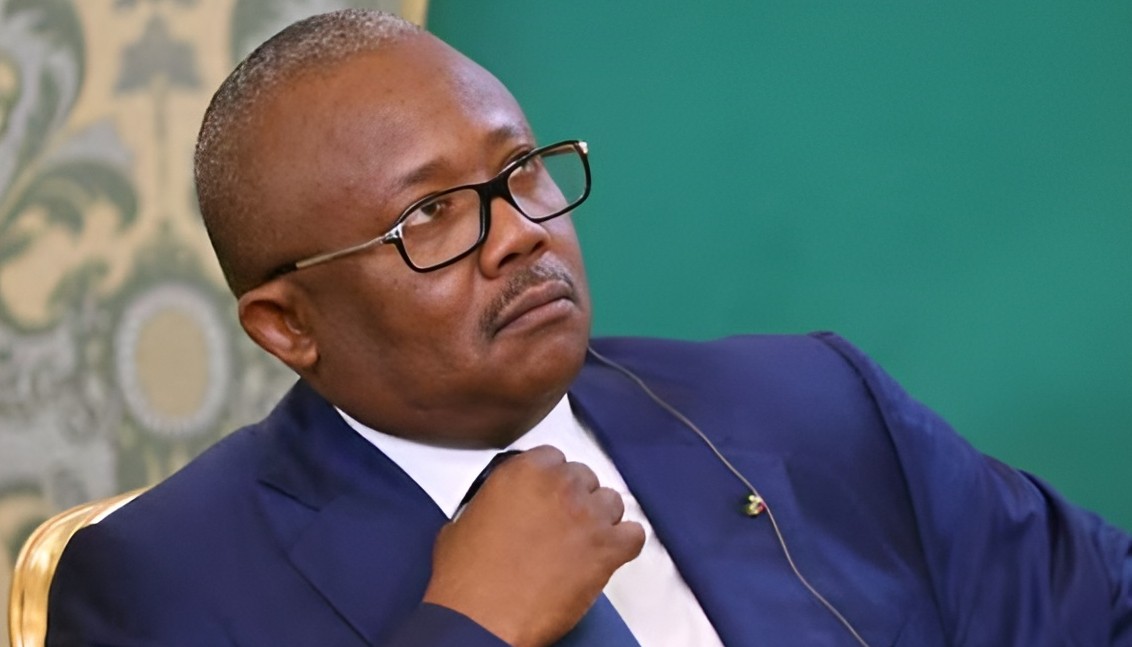
ECOWAS has suspended Guinea-Bissau after a military coup, demanding President Umaro Sissoco Embaló’s release and swift publication of election results, as regional leaders move to defend democratic order.
The chairman of the Economic Community of West African States (ECOWAS), Sierra Leone's President Julius Maada Bio, arrived in Guinea-Bissau on Monday to confront the junta that ousted President Umaro Sissoco Embaló, days after warning that the bloc would take "decisive and principled" action.
His visit underscores ECOWAS's efforts to reassert authority in a region where successive coups have severely undermined its credibility.
More To Read
- Wave of coups in Africa: What President Paul Kagame thinks
- African Union suspends Guinea-Bissau over coup
- Kagame says some coups are justifiable if they address governance failures
- Deposed Guinea-Bissau President Umaro Embaló flown to Senegal as coup deepens
- ECOWAS suspends Guinea-Bissau after post-election coup
- Guinea-Bissau: Who is toppling whom, how and why?
The bloc had already acted swiftly against Guinea-Bissau, suspending the country from all ECOWAS decision-making bodies after soldiers detained Embaló and seized power three days following the disputed 23 November election.
In a sharply worded communiqué issued after an emergency virtual summit, regional leaders said they were "deeply concerned" by developments in Bissau and commended voters for demonstrating "resilience and commitment to democracy" in the poll.
ECOWAS "condemns in the strongest terms the coup d'état of 26 November" and demanded the "unconditional restoration of constitutional order", rejecting any attempt to legitimise a military takeover or "abort the democratic process".
Publish presidential results
It called on the junta to allow the electoral commission to publish presidential results "without delay" and demanded the immediate release of Embaló, detained election officials, and other political leaders.
The bloc also invoked its 2001 Protocol on Democracy and Good Governance — its primary normative tool — suspending Guinea-Bissau until civilian rule is restored.
It warned that it "reserves the right to use all options", including targeted sanctions under its 2012 supplementary act.
ECOWAS has a history of robust intervention: it forced Yahya Jammeh from office in The Gambia in 2017 and has previously sanctioned errant juntas in Côte d'Ivoire, Mali, and Niger.
However, West Africa's recent wave of coups — from Bamako to Ouagadougou and Niamey — has stretched its capacity and raised doubts about its deterrent power.
Bio's mission in Bissau is therefore as much about restoring constitutional order as it is about safeguarding ECOWAS's own credibility in a region where the military has increasingly replaced the ballot box.
Top Stories Today